
If you or your child need a straighter smile but don't have dental coverage, you're probably wondering how much are braces without insurance and whether the investment is realistic for your family's budget. The good news is that orthodontic treatment is more flexible and accessible than many people expect, especially when you understand the factors that affect pricing and the payment options available at practices like Rocky River Orthodontics.
There is no single price tag for orthodontic treatment because every smile is different. The complexity of your bite, the length of treatment, the type of appliance you choose, and even your age can all influence the final cost. A patient with mild crowding will typically require less time in treatment than someone correcting a significant overbite, underbite, or severe spacing issue.
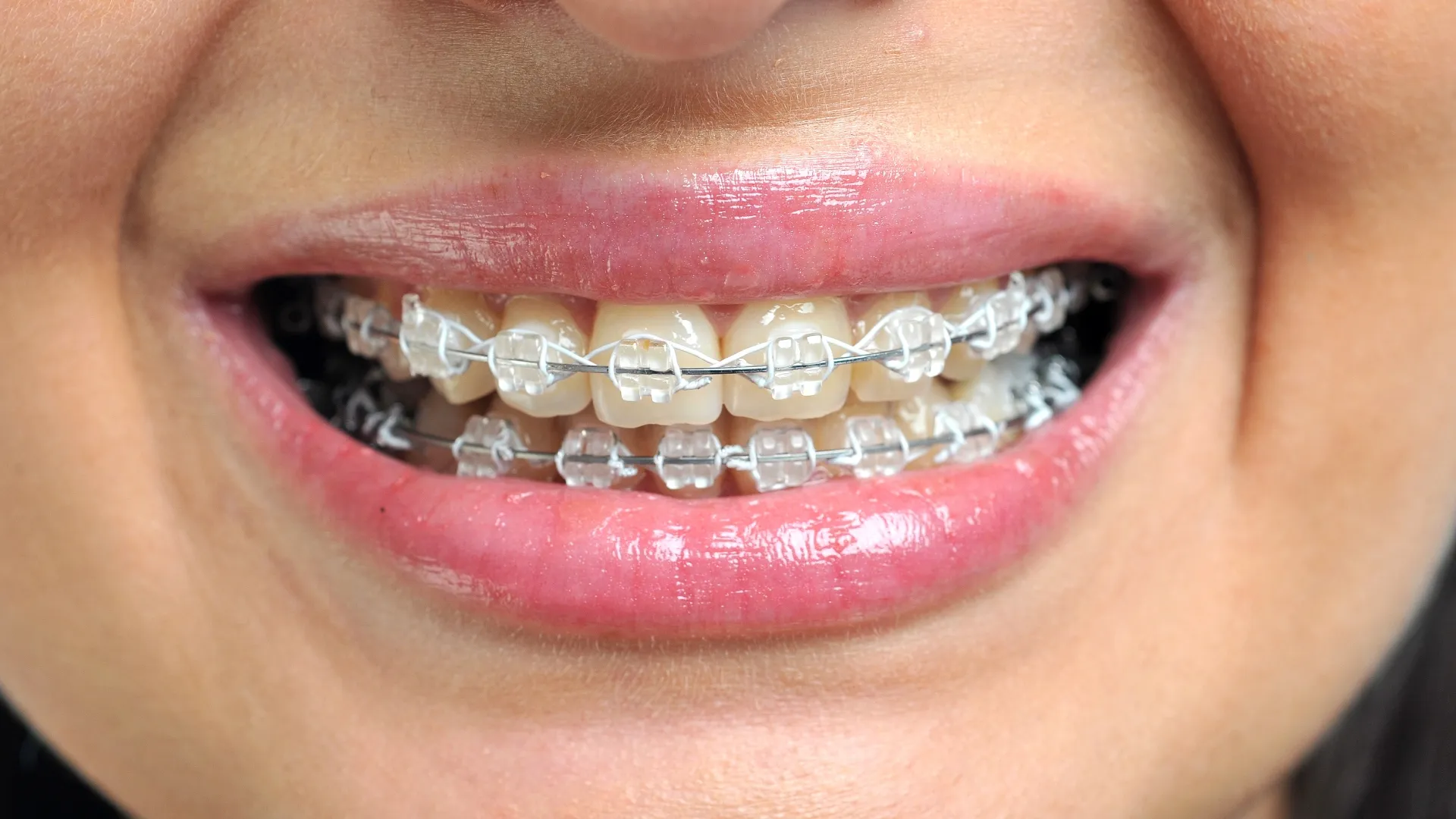
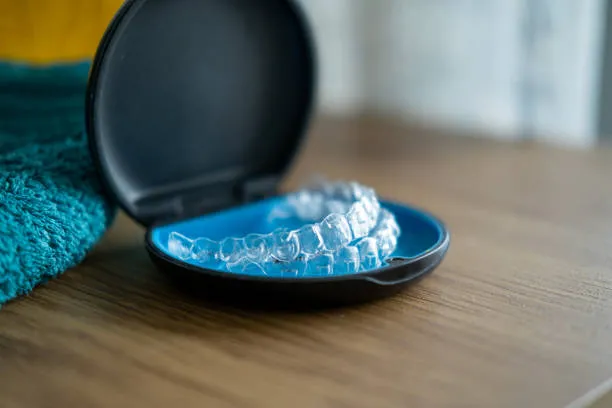
The type of appliance also matters. Traditional metal braces tend to be more budget-friendly than ceramic braces or clear aligners, simply because of the materials and lab work involved. Ceramic brackets blend in with tooth color but often cost more, while clear aligner systems require custom trays that are replaced every one to two weeks throughout treatment.
Finally, geographic location and the specific orthodontic practice you choose play a role. Offices serving Mooresville, Huntersville, Charlotte, and the greater Lake Norman area may have different fee structures depending on overhead, technology used, and the experience level of the treating doctor.
When patients ask how much are braces without insurance, they are often surprised to learn that the answer depends heavily on the diagnostic findings from an initial consultation. Orthodontists cannot responsibly quote a price without first examining your teeth, jaw alignment, and bite pattern, either through a clinical exam, photographs, or digital scans.
Generally speaking, self-pay patients without dental insurance should expect orthodontic treatment costs to fall within a broad range depending on complexity and appliance choice. Simple cases with minor alignment concerns tend to sit at the lower end of that range, while comprehensive treatment addressing bite issues, jaw discrepancies, or multiple arches of misalignment will land closer to the higher end.
It helps to remember that the quoted fee for braces typically covers the entire treatment process, not just the initial placement. This includes:
Because so much is bundled into one comprehensive fee, the total cost of braces is often more predictable than many other types of dental or medical care, even without insurance to offset expenses.
Many patients without insurance want to know whether traditional braces or clear aligners will be easier on their budget. Traditional metal braces are generally the most economical option because the brackets and wires are less expensive to produce and the treatment protocol has been refined over decades.
Clear aligners can sometimes cost more due to the custom manufacturing process, though pricing varies depending on how many trays are needed and how long treatment lasts. Some mild cases may actually be treated with fewer aligner trays, which can narrow the price gap between aligners and braces.
Ceramic braces, which use tooth-colored brackets, usually fall between metal braces and aligners in terms of price. Patients who want a more discreet look but still need the precision and control of fixed appliances often choose this middle option.
Not having dental insurance does not mean orthodontic treatment is out of reach. Most orthodontic offices, including practices throughout the Lake Norman area, offer in-house payment plans that break the total treatment fee into manageable monthly installments. This allows families to begin treatment with a reasonable down payment and spread the remaining balance over the course of treatment, often without interest.
Some patients also use third-party financing companies that specialize in healthcare payments, which can extend payments beyond the length of active orthodontic treatment. It's worth asking your orthodontic team directly about the specific financing options they offer, since every practice structures payment plans differently.
Flexible spending accounts (FSAs) and health savings accounts (HSAs) are another avenue worth exploring. If you or a family member has access to one of these accounts through an employer, pre-tax dollars can often be applied toward orthodontic treatment, effectively lowering the real cost of care.
A few additional tips for managing orthodontic costs without insurance include:
Understanding what your money is actually paying for can make the investment feel more worthwhile. Treatment typically begins with a consultation where the orthodontist reviews your bite, takes digital images or x-rays, and discusses which appliance option fits your goals and lifestyle. From there, an initial placement appointment usually lasts a bit longer than routine visits, since brackets are bonded to each tooth or aligner trays are fitted and explained in detail.
Following placement, patients return every several weeks for adjustment appointments. During these visits, the orthodontic team checks progress, changes wires or elastics, and makes small adjustments to keep teeth moving toward their ideal position. Aligner patients typically bring their current set of trays to these visits so the doctor can confirm proper tracking and hand out the next several sets.
Good oral hygiene becomes especially important during treatment. Patients wearing braces need to brush after meals and use interdental brushes or floss threaders to clean around brackets and wires, while aligner patients must remove their trays before eating and clean both their teeth and the aligners daily. Skipping these habits can lead to staining, cavities, or gum irritation that may extend treatment time.
Once the active phase of treatment is complete, most patients move into a retention phase using a removable or fixed retainer. This final step, which is usually included in the original treatment fee, helps maintain the results achieved during treatment and is an important reason comprehensive orthodontic fees can feel like a worthwhile long-term investment.
Cost is an important factor, but it should not be the only one when deciding where to receive orthodontic care. Working with an experienced team that takes time to explain your treatment plan, answer questions, and monitor your progress closely can make a meaningful difference in both your comfort and your results. You can learn more about the training and philosophy behind the doctors at Rocky River Orthodontics on the practice's about page.
Beyond braces and aligners, many orthodontic practices also provide a range of other treatments designed for different age groups and needs, from early interceptive care for children to comprehensive adult orthodontics. Exploring the full scope of services offered can help you understand which treatment path is the best fit before committing to a payment plan.
Pricing is generally based on treatment complexity rather than age alone, so an adult with a straightforward case may pay a similar amount to a teenager with a similar bite issue. However, adult cases sometimes involve additional considerations, such as prior dental work or more established jaw structure, which can occasionally affect treatment length and cost.
Yes, most orthodontic offices offer in-house payment plans specifically designed for patients without insurance coverage. These plans typically require a down payment followed by fixed monthly installments spread across the length of treatment.
In many cases, yes. Comprehensive treatment fees often include a set of retainers provided once braces or aligners are removed, along with a few follow-up visits to monitor retention.
Generally, more complex cases involving significant bite correction, jaw alignment issues, or extended treatment timelines can cost more than straightforward alignment cases. An in-person or virtual consultation with an orthodontist is the most reliable way to get an accurate estimate for your specific needs.
Understanding how much are braces without insurance is an important first step, but the best way to get an accurate number for your unique smile is through a personalized consultation. Dr. Justin Groody and Dr. Ryan Gross and their team take time to walk patients through every available option, from traditional braces to clear aligners, along with payment plans that fit real-life budgets.
Whether you live in Mooresville, Huntersville, Charlotte, or elsewhere in the Lake Norman area, our team is ready to answer your questions about treatment timelines, appliance choices, and financing without the pressure of dental insurance requirements. We believe cost should never be the reason someone puts off a healthier, more confident smile.
Ready to find out what your treatment could look like and what it might cost? We invite you to schedule a consultation with our team today.
Are you ready to transform your smile and boost your self-confidence? Schedule a consultation with our experienced orthodontic team today. We'll assess your needs, discuss treatment options, and create a personalized plan to help you achieve the smile of your dreams.
Contact us now or explore our website to learn more about our orthodontic services, meet our team, and discover why Rocky River Orthodontics is the perfect choice for your orthodontic needs.
Transform your smile at Rocky River Orthodontics. Contact us today for personalized care and expert guidance.
Plan your visit today! Check out Rocky River Orthodontics' office hours below