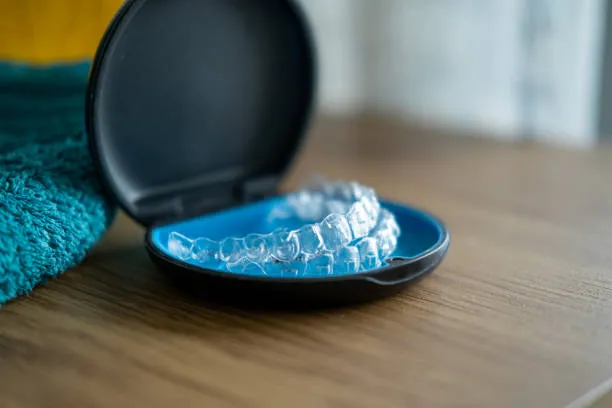

Most children get braces between ages 9 and 14, when their permanent teeth are actively erupting. If you're wondering when your child should start orthodontic treatment, you're not alone. The American Association of Orthodontists recommends that every child have their first orthodontic evaluation by age 7. Why so early? By this age, the first adult molars and incisors have typically emerged, giving orthodontists enough information to spot potential problems. A board-certified orthodontist like Dr. G can use that early evaluation to map out the best path forward for your child's confident smile.
There's no single "perfect" age for braces. The right timing depends entirely on your child's unique dental development. Some kids benefit from early intervention around age 7 or 8, while others do best waiting until their preteen years. An early evaluation doesn't automatically mean early treatment. Often, it simply means monitoring your child's growth so treatment can begin at the best possible moment.
Board-certified orthodontists, including AAO members like those at Rocky River Orthodontics, evaluate each child individually to determine whether treatment should start now or if watchful waiting makes more sense. The goal is always to match the treatment plan to the child's specific stage of development, not to follow a one-size-fits-all timeline.
Orthodontists determine the right time for braces by evaluating jaw growth, tooth eruption patterns, crowding, and bite alignment through X-rays and clinical exams during a free consultation. A complete picture of what's happening now, and what to expect as your child grows, guides every recommendation.
During your child's initial free consultation, the orthodontist gathers detailed information about their oral health. The appointment typically includes digital X-rays, photographs of the teeth and face, and a thorough bite assessment. All of these records reveal what's happening beneath the surface, including teeth that haven't erupted yet.
Board-certified orthodontists evaluate several key factors when determining treatment timing:
Based on this evaluation, treatment falls into one of two categories. Phase 1 (early) treatment may start around ages 7 to 10 when specific issues like crossbites or severe crowding need immediate attention. Phase 2 (full) treatment typically begins once most permanent teeth have erupted, usually between ages 11 and 14.
Treatment duration varies based on complexity. Most cases take between 12 and 24 months to complete, though your orthodontist will provide a more specific timeline after the initial evaluation.
Getting braces at the right age offers key benefits: faster tooth movement due to active jaw growth, reduced need for extractions or surgery, shorter overall treatment time, improved oral health during critical development years, and a boost in self-confidence during school-age social interactions.
Children's jaws are still actively growing during the preteen years. That makes guiding teeth into proper position easier and often faster than treating the same issues in adulthood.
Addressing problems early can eliminate the need for tooth extractions or jaw surgery down the road. When an orthodontist catches a developing issue, like a crossbite or severe crowding, during the growth phase, they can often redirect jaw development and create space for permanent teeth without surgical intervention. Kids who receive well-timed Phase 1 treatment frequently need shorter, simpler Phase 2 treatment as a result.
Correcting bite issues early also improves speech clarity and chewing efficiency. These are two things that affect your child's daily life in ways parents don't always connect to orthodontics.
When teeth line up properly, brushing and flossing actually work the way they're supposed to. That means fewer cavities, less gum disease risk, and better dental checkups throughout childhood and beyond.
Then there's the confidence factor. Kids who feel good about their smile tend to participate more in class, smile more in photos, and feel more comfortable in social situations. A confident smile during the school-age years, when peer dynamics matter so much, can make a real difference in how your child carries themselves.
According to the American Association of Orthodontists, early treatment can reduce the need for extractions and jaw surgery in many cases. The goal is always to achieve the best possible outcome with the least invasive approach.
The age at which someone gets braces affects everything from treatment options to timeline. Here's how orthodontic treatment differs across age groups:
| Factor | Kids (Ages 7-10) | Teens (Ages 11-14) | Adults (18+) |
|---|---|---|---|
| Treatment Type | Phase 1 (interceptive) | Full | Full |
| Primary Goals | Guide jaw growth, create space | Full alignment and bite correction | Alignment and bite correction |
| Bone Response | Very responsive | Highly responsive | Slower response |
| Treatment Duration | 6-18 months (Phase 1 only) | 12-24 months | 18-36 months |
| Common Options | Expanders, partial braces | Metal braces, LightForce, Invisalign | All options available |
| Compliance Factors | Parent-supervised | Moderate independence | Self-managed |
Kids (ages 7-10) receive Phase 1 treatment only when specific issues demand early intervention. This might include palatal expanders for narrow jaws or partial braces to correct crossbites. Not every child needs this phase. That's perfectly normal.
Teens (ages 11-14) represent the most common treatment window. Their bones respond quickly to orthodontic forces, and most permanent teeth are in place. This age group has access to all treatment options, including traditional metal braces, LightForce 3D-printed brackets, and Invisalign.
Adults (18 and older) can absolutely achieve beautiful results with braces. Treatment typically takes longer because adult bone is denser and remodels more slowly. Lifestyle factors like work schedules and social concerns also play a larger role in treatment decisions. The results, however, are just as lasting.
Each of these treatment options can be tailored to the patient's age, smile goals, and specific orthodontic needs.
Several things affect what you'll pay for your child's braces. The biggest factors are treatment complexity, how many phases are needed, which type of braces you choose, how long treatment lasts, and where you live. Phase 1 and Phase 2 are billed separately, which is an important distinction for families budgeting for orthodontic care.
Primary cost factors include:
Here's the good news. Many dental insurance plans include orthodontic coverage for children under 18. Checking with your insurance provider for specific benefit details is a smart first step. It's also worth asking about flexible payment plans, since many practices break the total cost into manageable monthly installments that make treatment more accessible. Most orthodontic practices, including Rocky River Orthodontics, offer free consultations so families can understand their options and costs before making any commitments. These no-obligation appointments typically include a full evaluation and a treatment cost estimate, so you walk away with real numbers rather than guesswork.
Wondering if your child needs an orthodontic evaluation? Watch for these common indicators:
Here's what many parents miss: an orthodontist can identify problems even when nothing looks obviously wrong. Some issues are only visible on X-rays or during a clinical exam. That's why the age-7 evaluation is so valuable. It catches problems early, even when your child's smile looks fine to you.
Some 7-year-olds do get braces as part of Phase 1 treatment to address specific issues like crossbites, severe crowding, or protruding front teeth. Most children evaluated at age 7 don't need immediate treatment, though. The orthodontist may simply monitor their development until the right time for full braces arrives.
Ages 11 to 14 are actually the most common window for starting full orthodontic treatment, so 12 is right in the sweet spot. Most permanent teeth have erupted by this point, and the jaw is still growing. That combination creates ideal conditions for efficient tooth movement and lasting results.
Braces work effectively at any age, as long as teeth and gums are healthy. Many adults pursue orthodontic treatment they missed as children or address shifting that occurred over time. While adult treatment may take longer than teen treatment, the results are just as beautiful and lasting.
Braces cause mild soreness for a few days after placement and following adjustment appointments, but the discomfort is temporary and manageable with over-the-counter relievers. Modern brackets and wires are designed for comfort, and most kids adapt quickly, with soreness typically fading within three to five days after each adjustment.
Treatment duration depends on the complexity of your child's case. Most children wear braces for 12 to 24 months. Simple crowding cases may finish faster, while complex bite corrections can take longer. Your orthodontist will provide a personalized timeline during the free consultation.
Phase 1 treatment happens during childhood (typically ages 7 to 10) and addresses specific developmental issues like crossbites, narrow palates, or severe crowding. Phase 2 is full treatment that begins once most permanent teeth have erupted, usually between ages 11 and 14. Not every child needs Phase 1 treatment, but those who do often have shorter, simpler Phase 2 treatment as a result.
Are you ready to transform your smile and boost your self-confidence? Schedule a consultation with our experienced orthodontic team today. We'll assess your needs, discuss treatment options, and create a personalized plan to help you achieve the smile of your dreams.
Contact us now or explore our website to learn more about our orthodontic services, meet our team, and discover why Rocky River Orthodontics is the perfect choice for your orthodontic needs.
Transform your smile at Rocky River Orthodontics. Contact us today for personalized care and expert guidance.
Plan your visit today! Check out Rocky River Orthodontics' office hours below